
How to Sell a Property With a Pool in Victoria and Avoid Fines
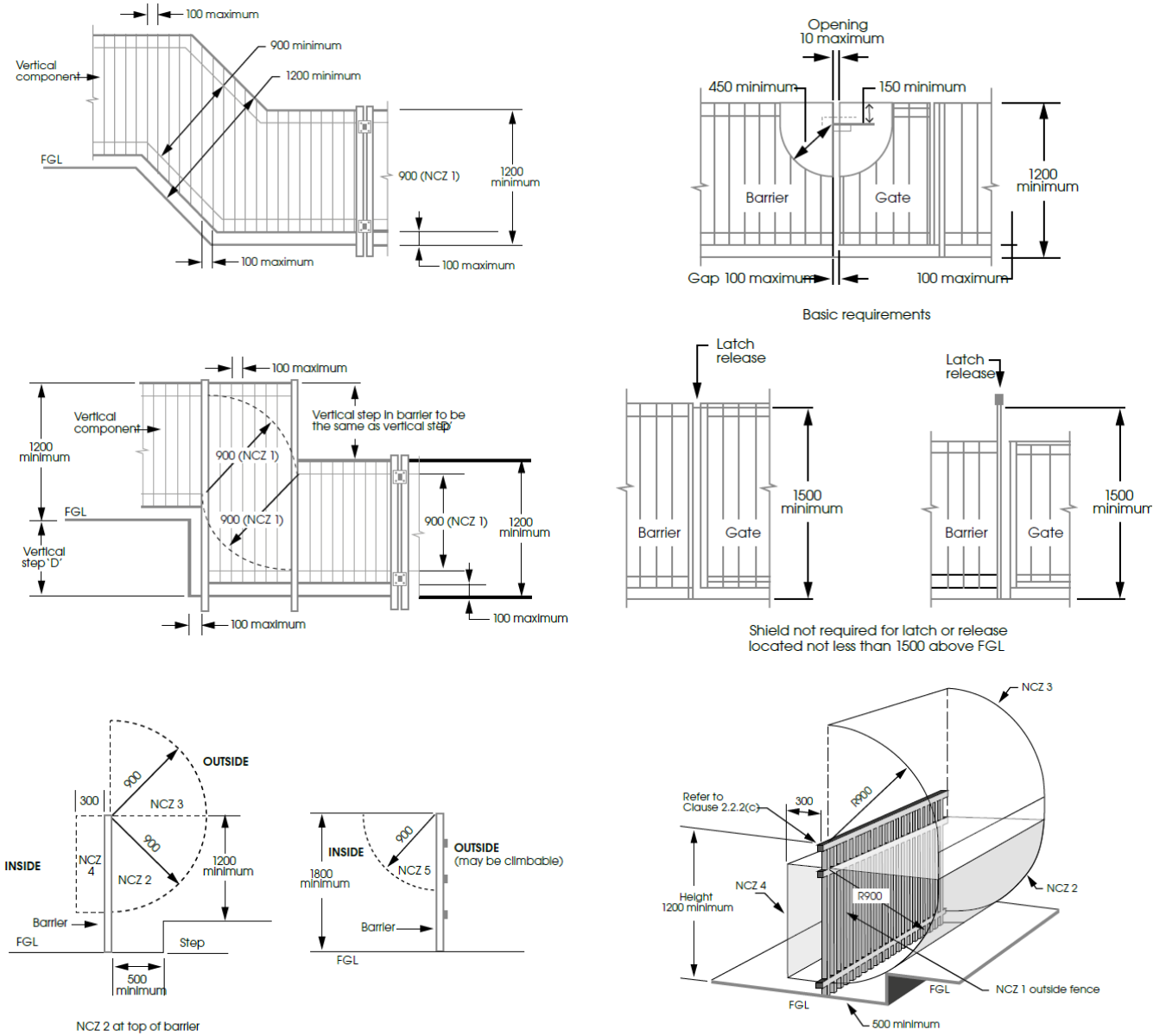
As explained by David Dawn, Licensed Conveyancer at Victorian Property Settlements, selling a home with a pool in Victoria is now one of the most heavily regulated parts of residential conveyancing. The rules sit under the Building Act 1993 (Vic) and Building Regulations 2018 (Vic), and the obligations fall squarely on the vendor. If the compliance documents are missing or out of date, the sale can stall and the vendor risks penalties.
Why These Rules Exist
For years, non compliant pool barriers were a major cause of preventable injuries. The Victorian Government responded by introducing compulsory barrier registration and ongoing compliance checks. Every pool or spa that can hold water deeper than 30 centimetres now falls under the scheme.
If you are selling a property with a pool, you must make sure everything is up to scratch before you list, not after.
Step 1: Confirm the Pool Is Registered
Under Part 9A of the Building Regulations 2018, all pools and spas must be registered with the local council. If it has never been registered or the owner simply forgot, the council can issue fines.
Before the property goes on the market, check:
• The pool is registered
• Council holds the correct construction date
• Previous inspection records are available
If anything is missing, deal with it immediately. Councils can take weeks to correct records and vendors can lose buyers if there are delays.
Step 2: Get a Current Certificate of Pool Barrier Compliance (Form 23)
This is the key requirement.
To sell a property with a pool in Victoria, you must provide a current Form 23 Certificate of Pool and Spa Barrier Compliance. This is issued by a registered pool barrier inspector.
As someone qualified in both Victoria and Queensland, I can say that Victoria's standard is strict but clear. The inspector checks:
• Barrier height and strength
• Gate operation and self closure
• Boundary fencing
• Climbable objects within the non climb zone
• Access points from the house
If the barrier fails, a Form 24 Non Compliance Certificate may be issued instead, and the vendor must fix the issues before re inspection.
If this turns up in the Section 32 as non compliant, the buyer may pull out or negotiate. It is a situation vendors must avoid.
Step 3: Disclosure in the Section 32 Vendor’s Statement
The Section 32 must include:
• The registration confirmation from council
• The most recent Form 23 Certificate of Barrier Compliance
• Inspection dates
• Any outstanding notices or improvement requirements
Under the Sale of Land Act 1962 (Vic), failing to disclose material information can allow a purchaser to walk away. A non compliant or expired certificate is material.
Step 4: Make Sure the Certificate Will Still Be Valid at Settlement
A Form 23 certificate is only valid for thirty days for council lodgement, but it remains a record of compliance once accepted by the council. The problem vendors face is timing:
• If the barrier passes and the council accepts it, you’re fine.
• If the council rejects it or queries anything, you may need re inspection during the sale.
Always get this done early. Risking a contract on a last minute barrier inspection is asking for trouble.
Step 5: Beware of Sellers Who “Drain the Pool”
Some vendors believe they can avoid the rules by emptying the pool.
Under Regulation 147B, if the structure is capable of holding more than 30 centimetres of water, it counts as a pool, even if empty.
Draining it does not remove your obligations.
What Happens if You Ignore the Requirements
The penalties exist for a reason. Councils can issue fines for:
• Not registering the pool
• Failing to obtain a compliance certificate
• Failing to correct non compliant barriers
More importantly, non disclosure can give the purchaser a right to terminate. This is a direct financial loss for the vendor.
How to Prepare the Property Before Selling
Here’s a simple checklist:
• Trim vegetation near the barrier
• Fix gate latches and hinges
• Remove climbable objects
• Ensure windows opening into the pool area comply
• Repair any broken panels
• Confirm council records
Getting this right early keeps the sale clean and straightforward.
Why Buyers Are Now Asking About Pool Compliance Up Front
Most buyers now know about the barrier laws. Agents are increasingly requesting Form 23 certificates before listing because:
• Buyers are more cautious
• Compliance delays can ruin auctions
• Banks sometimes ask for evidence of barrier compliance
• A known certificate boosts buyer confidence
A clean, compliant pool can actually increase value because it shows the property is cared for.
When You Should Get Help
Selling a property with a pool is manageable, but the paperwork must be right. Victorian Property Settlements takes care of preparing the Section 32, dealing with council records, and making sure your Form 23 is properly included.
If you need a compliance certificate arranged, we also assist in coordinating inspections.
Victorian Property Settlements – Trusted for over 25 years by Victorian buyers and sellers.
Visit: www.victorianpropertysettlements.com.au