

Things to Check When Buying a Victorian House
/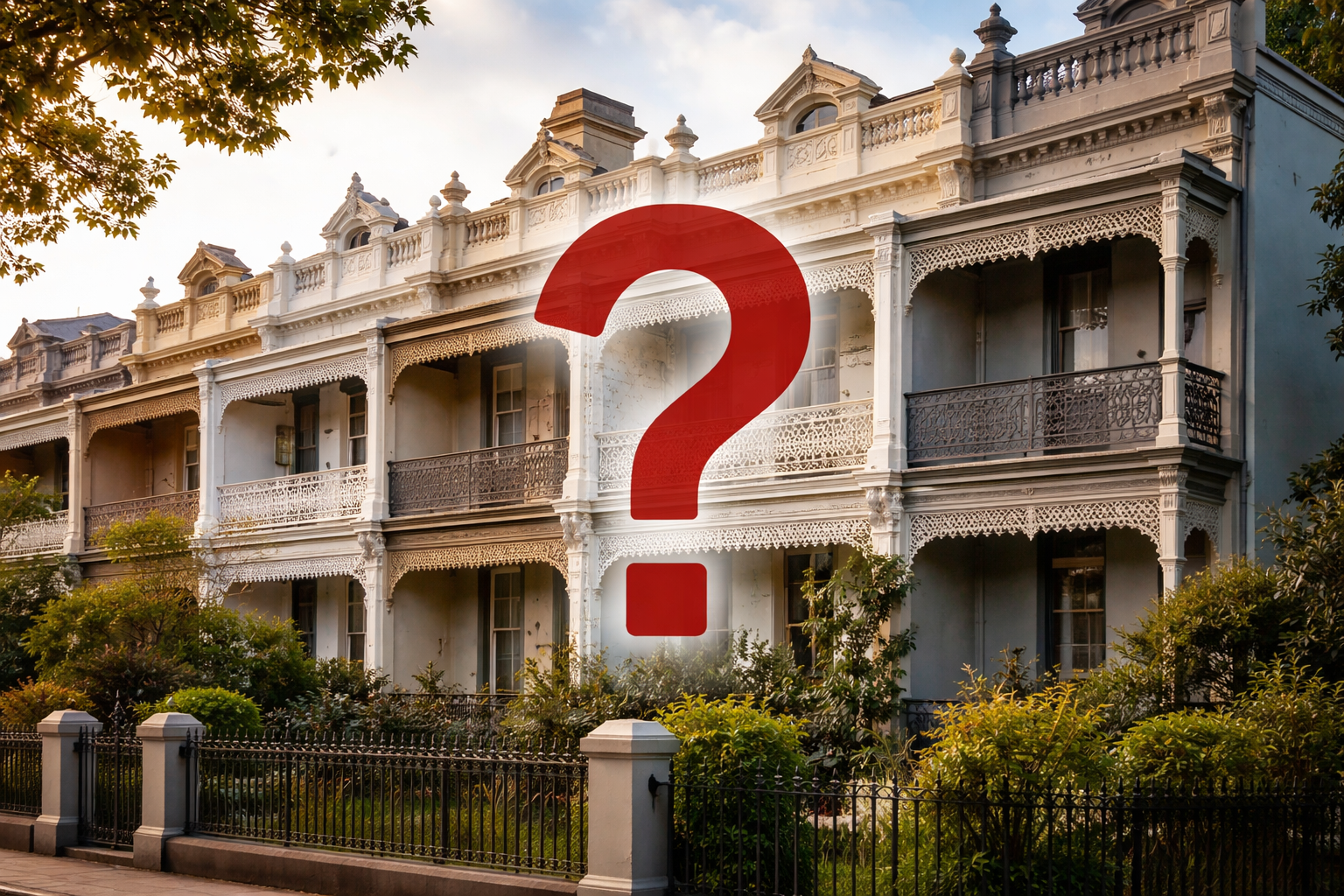
Buying a Victorian house is a bit like buying a classic car. When they are good, they are very good. When they have been neglected, the problems can hide behind charm, high ceilings and pressed metal roses.
Here is a practical list, wrapped in a bit of real-world context, of what you should be checking before you fall in love and sign anything.
1. The bones of the house
Start with the structure. Victorian homes were built long before modern slabs, so some movement is normal. What you are watching for is active movement.
Cracks that are wide, stepped, or freshly patched. Floors that slope noticeably. Doors and windows that do not line up. These are clues the house may still be moving, not just settling after a century.
2. Damp, damp, and more damp
If Victorian houses had a nemesis, this would be it.
No damp course, old brickwork, and poor drainage often lead to rising damp. Look closely at the lower parts of walls. Fresh paint, flaking plaster, salt stains, or rotting skirting boards usually mean someone is hiding a problem rather than fixing it properly.
3. The roof tells you a lot
A roof can look fine from the street and still be on borrowed time.
Check for sagging roof lines, rusted corrugated iron, patched valleys, and signs of leaks inside. Slate roofs can last generations, but when repairs are needed they are specialised and not cheap. A tired roof often means a tired house underneath.
4. Old wiring and old pipes
Many Victorian homes have had piecemeal upgrades. A bit of new wiring here, old wiring there. The same goes for plumbing.
Galvanised pipes corrode from the inside. Old fuse boards may not cope with modern living. These are not always deal breakers, but they are budget breakers if you are not expecting them.
5. Renovations that look too easy
This is one of the biggest traps.
Rear extensions, open-plan living areas, bathrooms added where there were none, decks and pergolas. A lot of this work was done decades ago when permits were ignored or misunderstood. If approvals are missing, the risk does not disappear. It moves to you.
6. Asbestos in unexpected places
Victorian houses often had asbestos added later, not originally.
Eaves, wet areas, kitchens, under lino, and wall linings are common spots. Asbestos is manageable if left alone, but the moment you renovate, costs rise quickly and rules tighten.
7. What planning controls allow, not what you hope
Many Victorian homes sit under heritage overlays or strict planning controls.
That can affect extensions, second storeys, fences, and even external changes. Never assume “we’ll just renovate later”. Always check what is actually allowed on paper.
8. Drains that have seen better days
Old clay pipes, tree roots, and collapsed drains are very common.
If the yard has big trees or the house is old enough to vote twice, a drain inspection can save you from nasty surprises after settlement.
9. Termites love old houses
Subfloors, timber framing, and concealed voids make Victorian homes attractive to pests.
Even if there is no visible damage, past activity is common. That history matters just as much as current infestations.
10. Insurance and rebuild reality
Victorian homes cost more to rebuild than people expect.
Custom details, skilled trades, and heritage requirements add up quickly. Some insurers place conditions or exclusions on older homes. Make sure cover is available on terms you are comfortable with before you commit.
The takeaway
Victorian houses reward careful buyers. They punish rushed ones.
None of these issues automatically mean “walk away”. What matters is knowing what you are buying, what it will cost over time, and whether the charm still stacks up once the numbers are honest.
If you want, I can turn this into a one-page inspection checklist, or tailor it specifically to terraces, weatherboards, or bluestone cottages so it fits the type of Victorian home you are looking at.