

10 Victorian Suburbs Showing Property Market Warning Signs in 2026
/Watch for the Warning Signs: Why Some Victorian Property Markets Could Be Heading for Trouble
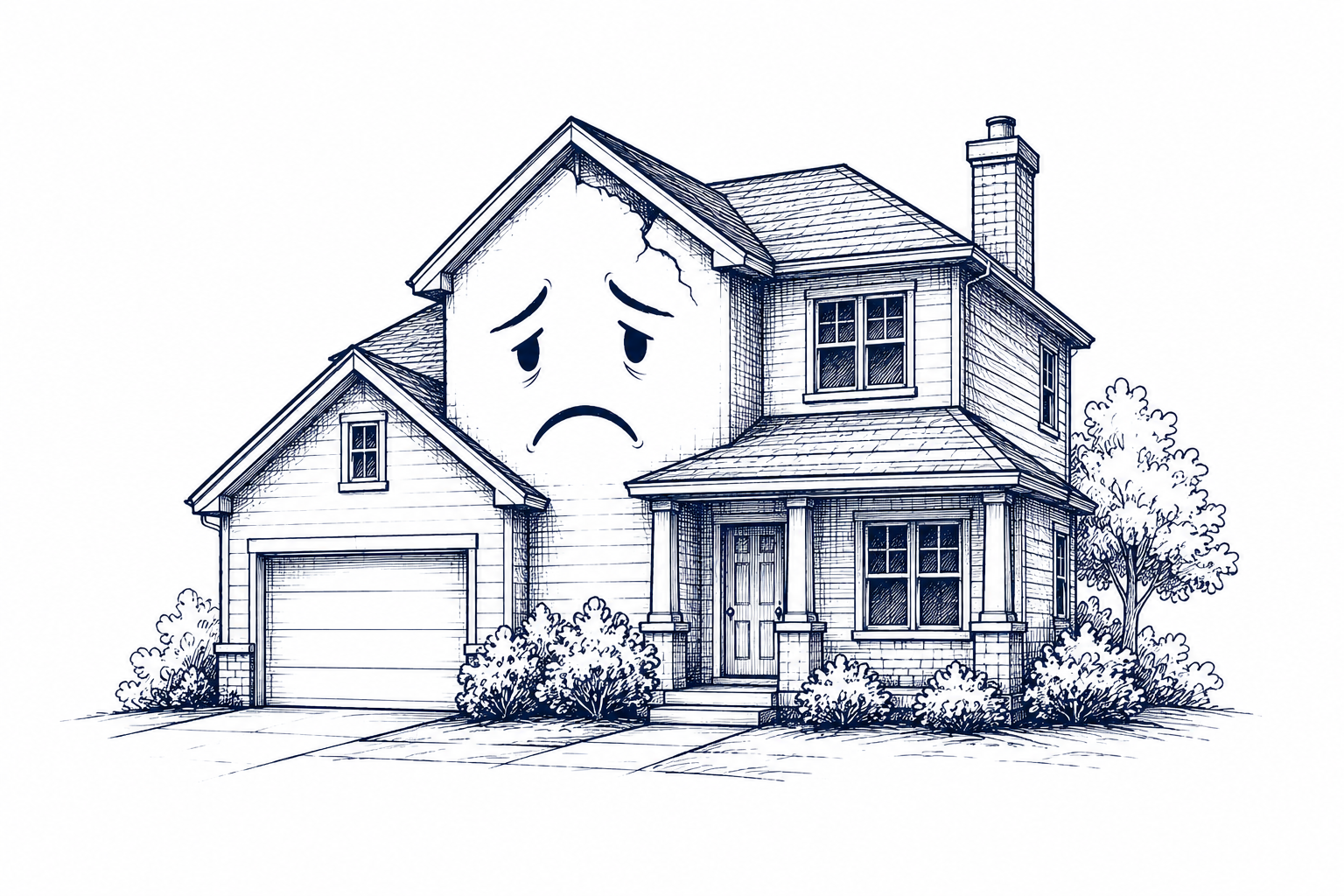
Property prices do not usually collapse overnight.
Most property downturns follow a predictable pattern. The warning signs appear first. Mortgage stress increases. Listings rise. Buyers become cautious. Properties stay on the market longer. Eventually, prices start to soften.
As someone who has worked in Victorian property for more than 25 years, I have learnt that buyers should pay less attention to headlines and more attention to the underlying indicators.
The question is not whether a suburb is popular today.
The question is whether the people buying there can still afford to own there tomorrow.
The Areas I Would Be Watching Closely
Based on current mortgage stress data, affordability pressures, borrowing patterns and market conditions, the following areas deserve careful attention:
Roxburgh Park
Craigieburn
Tarneit
Cranbourne
Pakenham
Narre Warren
Berwick
Werribee
Hoppers Crossing
Doreen
These suburbs feature heavily in recent mortgage stress and arrears reporting and are concentrated in Melbourne's outer growth corridors. Many households purchased during periods of historically low interest rates and have since experienced significant increases in repayments.
Importantly, this does not mean every property in these suburbs is a poor purchase.
It means buyers should conduct more careful due diligence than they might in other locations.
Warning Sign 1: High Mortgage Stress
Mortgage stress occurs when housing costs consume such a large portion of household income that owners begin struggling to meet other financial commitments.
Recent Victorian data suggests hundreds of thousands of households are experiencing some form of mortgage stress, with significant concentrations in Melbourne's outer suburban growth corridors.
When mortgage stress becomes widespread within a suburb, three things often follow:
Reduced buyer confidence
Increased forced sales
Downward pressure on prices
A single distressed sale does not affect a market.
Hundreds of distressed sales can.
Warning Sign 2: Large Volumes of New Housing
Many of the suburbs listed above have experienced substantial housing development over the past decade.
New estates can create a perception of growth, but they can also create oversupply.
If there are always hundreds of new blocks available nearby, buyers have alternatives.
That limits price growth and can place downward pressure on older properties that must compete with brand-new homes.
Warning Sign 3: High Loan-to-Income Ratios
A common characteristic of many growth corridor suburbs is that buyers often borrow close to their maximum capacity.
When interest rates rise, employment weakens, or living costs increase, these households have less room to absorb financial shocks.
This is one reason why outer suburban markets often experience greater volatility during economic downturns.
Warning Sign 4: Investors Start Leaving
Investor activity can support property values.
However, when investors begin exiting a market, supply increases while demand weakens.
Recent changes to investment conditions, combined with higher holding costs and reduced yields, have already caused some investors to reassess their portfolios.
If large numbers of investors attempt to sell simultaneously, prices can come under pressure.
Warning Sign 5: Properties Sitting Longer on the Market
One of the earliest indicators of a softening market is increased days on market.
When buyers become cautious:
Open home attendance falls
Auction clearance rates drop
Sellers reduce asking prices
More properties are withdrawn unsold
These trends have already started appearing across parts of Melbourne's housing market.
Not All Outer Suburbs Are Equal
This is where many buyers make mistakes.
Two neighbouring suburbs can have completely different futures.
For example, a suburb with:
Good transport links
Established schools
Limited land supply
Strong owner-occupier demand
may outperform a nearby suburb that consists largely of new estates and investor-owned properties.
The postcode alone does not tell the whole story.
Questions Every Buyer Should Ask
Before buying in any suburb, ask:
How much new land remains available for development?
What percentage of properties are investor owned?
Are prices growing because of genuine demand or because buyers are borrowing more?
How many properties are currently listed compared with previous years?
What major employers support the local economy?
Would I still want to own this property if prices did not increase for five years?
If you cannot comfortably answer those questions, more investigation may be required.
The Biggest Mistake Buyers Make
The most dangerous words in property are:
"Prices always go up."
History shows they do not.
Some Victorian suburbs have experienced periods where prices stagnated or declined for years.
Property remains one of the best long-term wealth creation tools available, but only when purchased carefully.
The buyers who suffer most during downturns are usually those who buy based on emotion, fear of missing out, or assumptions that recent growth will continue forever.
Final Thoughts
I am not suggesting these suburbs will necessarily crash.
Some may continue to perform well.
However, they contain many of the warning signs that experienced property observers watch closely: high mortgage stress, significant household debt, large housing supply pipelines, and sensitivity to interest rate movements.
If you are considering buying in any of these locations, the answer is not to avoid them automatically.
The answer is to investigate them more carefully than ever.
Drawing on more than 25 years of experience in Victorian property transactions, I have found that the best purchases are rarely the ones everyone is talking about. They are usually the ones where the buyer has taken the time to understand the risks before signing the contract.